
Now to him who is able to do immeasurably more than all we ask or imagine, according to his power that is at work within us, to him be glory in the church and in Christ Jesus throughout all generations, for ever and ever! Amen. Ephesians 3:20-21
Hanna Massad, former pastor of GBC who has been living in exile because of continuing tensions in Gaza, told the Baptist World Alliance® (BWA) that “almost 40 percent of the people who have been killed in Gaza are children.” (https://baptistworld.org/news/gaza-war-2012/)
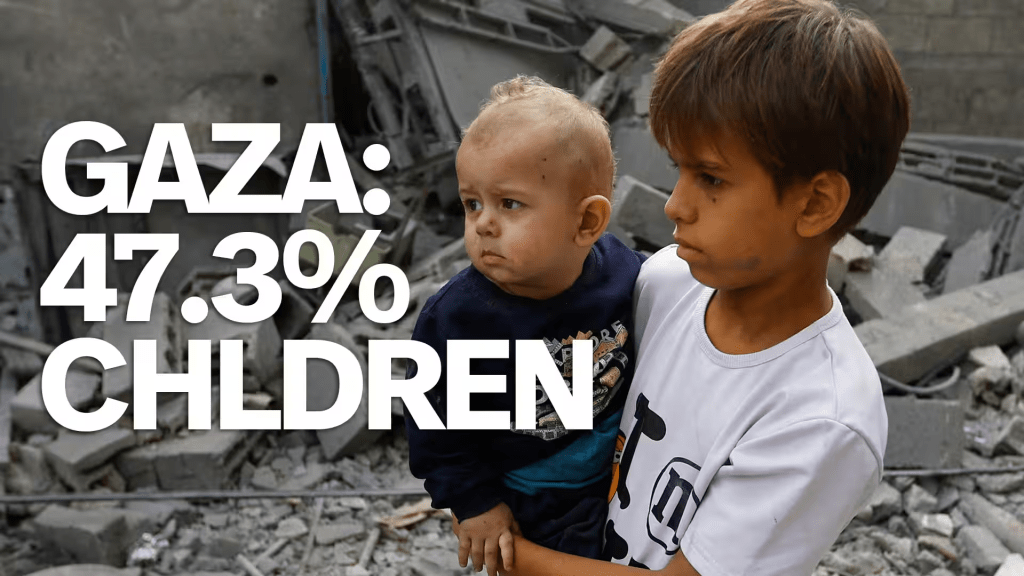
Can God truly save our brocken world?
God, the Creator and Redeemer
Across cultures, humanity holds many different views about God. Yet, as followers of Christ, we hold firmly to the Biblical revelation of God—a God who has made Himself known not through imagination or speculation, but through His Word.
The Bible introduces us to the God who can do all things. In the beginning, God created the heavens and the earth in six days (Genesis 1). He brought everything into existence by His Word (John 1), and He created human beings from the dust of the earth, breathing into them His own life-giving Spirit. From the very first chapters of Scripture, we encounter God’s creativity, power, and purpose.
God’s greatness is ultimately revealed in His Son, Jesus Christ—through His sacrificial life, His victory over sin, death, and Hades, and the glorious account of His resurrection. The Apostle Paul affirms this truth when he writes:
“God is able to do immeasurably more than all we ask or imagine…” (Ephesians 3:20)
This means that our rational minds, though capable of wonder and reflection, cannot fully comprehend God’s power or greatness without His enabling grace.
Paul’s letter to the Romans paints a sobering picture of how humanity, in our sinfulness, has willfully abandoned God’s original purpose and will. We exchanged the glory of the incorruptible God for images resembling man, birds, animals, and creeping things (Romans 1:23). In other words, we replaced the Creator with creation.
How did we do this?
By not trusting in the Lord with all our hearts and instead leaning on our own understanding. This spiritual rebellion began in Genesis 3 and is echoed throughout the pages of Scripture.
However, it is also through Scripture that we discover the possibility of redemption. While human reasoning surrendered to God and redeemed in Christ becomes a gift—a vessel through which God communicates—our unsurrendered lives remain resistant and hostile to Him. Sin, at its core, means “missing the mark”—failing to live according to God’s design and purpose. This was Paul’s own experience before his life was transformed by Christ on the road to Damascus (Acts 9).
Jesus, in contrast, fully surrendered His will to the Father—even when He was confronted with the weight of our sin in the Garden of Gethsemane. His response to a broken and sinful world was mercy. His death on the cross at Calvary is God’s ultimate gift of unconditional love.
Throughout the sixty-six books of the Bible, we encounter a consistent, redemptive message:
A loving God is calling sinful humanity to return to Him, to be redeemed, and to become the Bride of Christ. This divine love is not only redemptive—it is unconditional.
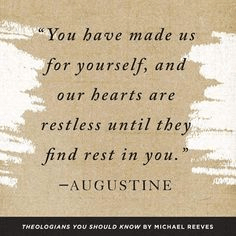
The Gaze of the Soul: Faith and the Breath of God
Augustine once said,
“Reason is the soul’s gaze. But since it does not follow that everyone who gazes sees, a right and perfect gaze, from which vision follows, is called virtue. For virtue is right or perfect reason. But even if the eyes are healthy, the gaze itself cannot turn toward the light unless three things are present: faith, by which it believes that what it gazes on will, when seen, make it happy; hope, by which it expects that it will see, if it has looked well; love, by which it desires to see and enjoy. And then the vision of God follows from this gaze in which results in a blessed life.”
— Soliloquia I.6.13, cited in Kenney, 280
What a profound image: reason as the soul’s gaze, and virtue as right and perfect reason. Yet even this gaze cannot find its aim unless it is guided by faith, hope, and love—those spiritual virtues that awaken our capacity to truly see God. Augustine reminds us that the vision of God—the blessed life—comes from this gaze, rooted in faith, drawn by hope, and fueled by love.
It is faith, then, that connects us to the life-giving breath of the Almighty God. The new life we experience in Christ is not something we earn; it is a gift of grace received by faith. As Paul teaches in Ephesians 2:8:
“For it is by grace you have been saved, through faith—and this is not from yourselves, it is the gift of God.”
The words of the song “Great Are You Lord” capture this truth with heartfelt simplicity:
You give life, You are love
You bring light to the darkness
You give hope, You restore every heart that is broken
And great are You, Lord
It’s Your breath in our lungs
So we pour out our praise
We pour out our praise
It’s Your breath in our lungs
So we pour out our praise to You only
Indeed, it is God’s breath in our lungs—His Spirit that gives life and renews us. We live because He has breathed into us, just as He did in the beginning with Adam, and just as He continues to do through regeneration.
Regeneration is an act of God’s mercy and grace, made available to all who turn to Him in faith. It is not merely a moment of spiritual awakening, but the beginning of a continual life of dependence on God, through which we bear fruit that glorifies Him.
Jesus illustrated this powerfully when He spoke to the woman at the well. He did not condemn her for her situation. Instead, He invited her into a transformed life, one rooted in worshiping God in Spirit and in Truth. He offered her something far greater than what she sought—a wellspring of life that would never run dry:
“But whoever drinks the water I give them will never thirst. Indeed, the water I give them will become in them a spring of water welling up to eternal life.”
(John 4:14)
This living water is the Holy Spirit, poured into the hearts of those who believe. It is God’s breath, His presence within us, and the source of our praise, our renewal, and our hope.
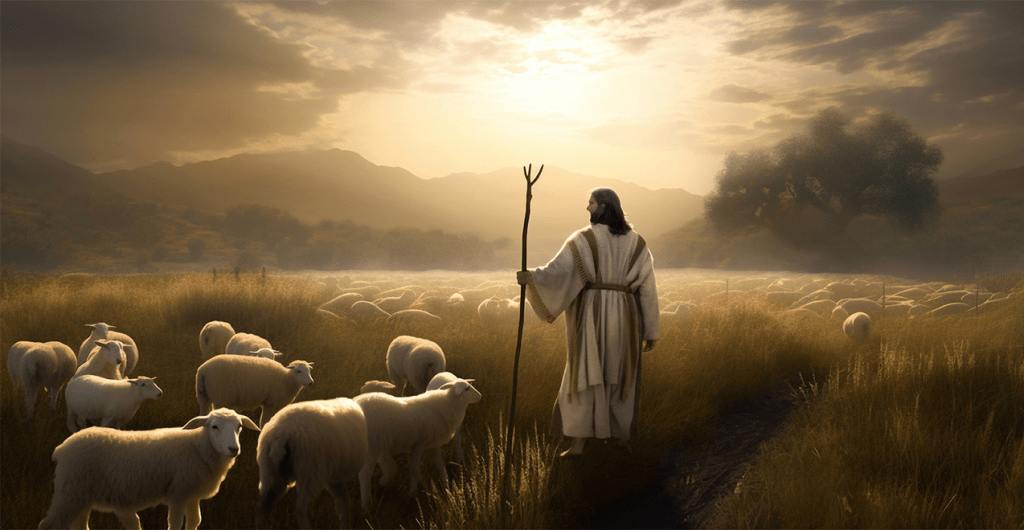
God Steps Into Our Brokenness
The story of the Bible is the story of a God who steps into our world. He comes into our lives, our families, our brokenness, our relationships, our finances, and even our health—bringing His transformative power and redeeming grace for His glory. All of this is made possible through the life-giving work of Jesus Christ, His Son.
“For God so loved the world, that he gave his only begotten Son, that whosoever believeth in him should not perish, but have everlasting life.”
(John 3:16)
Transformation begins when a person receives a revelation from Christ and decides to place their trust and faith in Him. This is not only a personal invitation—it is a universal call. God is looking for a man, a woman, a child—anyone willing to trust in Him. The restoration of our broken world begins with one surrendered heart at a time.
As Paul reminds us:
“For it is God which worketh in you both to will and to do of his good pleasure.”
(Philippians 2:13)
God’s work begins in us, but it does not end there. He works through us, using our lives as instruments of His grace and power to bring healing, justice, and redemption into the world. The transformation of families, communities, and nations flows from hearts that are anchored in relationship with Jesus.
Jesus said to the woman at the well:
“But whosoever drinketh of the water that I shall give him shall never thirst; but the water that I shall give him shall be in him a well of water springing up into everlasting life.”
(John 4:14)
This is His promise to us. The living water is not just for survival—it is for overflow. It becomes a well within us, springing up into eternal life and spilling over into every area of our lives.
So today, we are invited to trust Him. To welcome Him into our mess, our pain, and our need—and to believe that He is not only able to transform us, but also to use us as vessels of transformation in the world.
 True-Life.ca
Leave a comment