
God’s Mercy, Human Responsibility, and the Work of the Spirit in the Christian Life

Dear Friends,
Greetings in the name of our Lord Jesus Christ!
As we enter this Advent season, a time of anticipation, hope, and reflection, I pray that God’s mercy and grace speak to your hearts in fresh ways.
Christianity is unique among the major faiths in acknowledging that human goodness is insufficient to meet God’s righteous standards. Scripture reveals the universal story of humanity’s failure through disobedience—and the even greater story of God’s unconditional grace extended to the undeserving.
A powerful example of this grace is seen in Jesus’ encounter with the woman caught in adultery. After her accusers withdrew, the Gospel records:
“When Jesus had lifted up himself, and saw none but the woman, he said unto her, Woman, where are those thine accusers? hath no man condemned thee?
She said, No man, Lord.
And Jesus said unto her, Neither do I condemn thee: go, and sin no more.”
— John 8:10–11 (KJV)
In this moment, Jesus holds together two essential truths:
- Mercy — “Neither do I condemn thee.”
- Responsibility — “Go, and sin no more.”
He forgives freely, offering unearned mercy, and at the same time calls her into a transformed life empowered by that very mercy. Here, we see that grace is never passive: it restores, renews, and enables the believer to walk in holiness. True discipleship is therefore the outworking of God’s mercy in a life shaped by the Holy Spirit.
The Apostle Paul provides a compelling example from his own life:
“Here is a trustworthy saying that deserves full acceptance: Christ Jesus came into the world to save sinners—of whom I am the worst. But for that very reason I was shown mercy so that in me, the worst of sinners, Christ Jesus might display his immense patience as an example for those who would believe in him and receive eternal life.”
— 1 Timothy 1:15–16 (NIV)
Paul’s testimony shows that God’s mercy is not given to the perfect but to those who recognize their need for His grace. Like the woman in John 8, believers are called not only to receive forgiveness but also to respond in transformed living, empowered by the Spirit to reflect God’s holiness and mercy daily.
Indeed, Paul also declares:
“There is therefore now no condemnation for those who are in Christ Jesus.” — Romans 8:1 (NIV)
his assures us that mercy, forgiveness, and grace secure believers from condemnation while inviting them into a life of responsible obedience and transformation.
Jesus also expands this teaching with three essential commands regarding how believers relate to others:
- Do not judge — “Judge not, that ye be not judged.” (Matthew 7:1–2, KJV)
- Do not condemn — “Condemn not, and ye shall not be condemned.” (Luke 6:37, KJV)
- Be merciful — “Be ye therefore merciful, as your Father also is merciful.” (Luke 6:36, KJV)
The purpose of Christian discipline, therefore, is not punishment or exclusion but empowerment, restoration, and cooperation with Christ in the ongoing work of sanctification. Through grace, the Holy Spirit enables us to grow, change, and reflect the character of Christ more fully.
Questions for Reflection:
- In what areas of my life have I been quick to judge or condemn others? How might I practice mercy instead?
- How does the call to be merciful challenge the way I respond to those who hurt or oppose me?
- In what ways can I cooperate with Christ in the ongoing work of sanctification in my own life?
- How does God’s mercy empower me to live responsibly and obediently, rather than in fear or guilt?
Response to Mercy: Transformation and Discipleship
Paul exhorts believers:
“I beseech you therefore, brethren, by the mercies of God, that ye present your bodies a living sacrifice, holy, acceptable unto God, which is your reasonable service. And be not conformed to this world: but be ye transformed by the renewing of your mind, that ye may prove what is that good, and acceptable, and perfect, will of God.”
— Romans 12:1–2
God’s mercy works in us from beginning to end. Paul explains in Romans 1–11 that God has been merciful in His gracious and loving response to fallen humanity—both Gentiles and Jews. This mercy extends even while we are still sinners:
“But God commendeth his love toward us, in that, while we were yet sinners, Christ died for us.” — Romans 5:8
J. I. Packer reminds us, “Grace is not opposed to effort, but to earning.” Obedience and discipleship flow from God’s mercy, not from any claim to earn salvation.
Emphasizing Christian responsibility apart from God’s mercy leads to legalism, while emphasizing God’s grace without discipleship can lead to sin and complacency. Salvation is not merely forgiveness; it calls believers into active discipleship. Paul addresses this in Romans 7–8, highlighting the struggle with sin and the flesh, and the victory that comes through life in the Spirit:
- Romans 8:2 — The Spirit brings freedom from sin and death.
- Romans 8:4 — The Spirit enables obedience and righteous living.
- Romans 8:5–6 — The Spirit shapes our mindset and produces life and peace.
- Romans 8:9–11 — The Spirit indwells believers, gives life, and empowers resurrection hope.
Dietrich Bonhoeffer teaches, “When Christ calls a man, he bids him come and die.” Discipleship involves active surrender, aligning perfectly with the Spirit’s work in the believer’s life.
Key Conclusions:
- God’s Mercy Works in Us from Beginning to End
Ephesians 2:8–10: Salvation is entirely God’s work, leaving no room for boasting. - Christian Life as a Journey
Philippians 1:6: God’s mercy is continuous, completing the transformation He began. - Mercy and Responsibility Together
Jude 1: Sanctification and preservation are acts of God, yet believers are called to live faithfully in Him.
John Stott explains, “Faith is not only a belief in Christ; it is obedience to Christ.” Mercy and discipleship go hand-in-hand.
Summary:
- Christianity teaches that human goodness is insufficient for righteousness.
- God’s mercy, grace, and Spirit initiate, sustain, and complete salvation.
- Human responsibility and discipleship are the active response to God’s mercy, carried out through the Spirit.
- True Christian life is a cooperative journey: God’s power working in us, and our faithful response glorifying Him.
Advent Reflection:
In this season, mercy and responsibility are deeply intertwined. God’s mercy invites us into forgiveness, while His grace empowers us to live transformed, Spirit-led lives. Advent reminds us that each step toward holiness is made possible by God’s enduring love and the work of the Holy Spirit in us. Let us prepare our hearts to welcome Christ with gratitude, hope, and obedience.
With heartfelt blessings,
Mignonne, Andrew, and Emmanuel join you in prayer as we journey together,
seeking God’s comfort, mercy, and holiness.
Dinesh Gomes
- Genesis 19:19 (KJV) – Holy Bible, King James Version.
- Lamentations 3:23 (KJV) – Holy Bible, King James Version.
- Romans 5, 7–8, 12:1–2 (KJV) – Holy Bible, King James Version.
- Ephesians 2:8–10 (KJV) – Holy Bible, King James Version.
- Philippians 1:6 (KJV) – Holy Bible, King James Version.
- Jude 1 (KJV) – Holy Bible, King James Version.
- Dietrich Bonhoeffer, The Cost of Discipleship, Macmillan Publishing, 1959, p. 45.
- John Stott, Basic Christianity, InterVarsity Press, 1958, p. 78.
- J. I. Packer, Knowing God, InterVarsity Press, 1973, p. 92.
November 21, 2025
Now to him who is able to do immeasurably more than all we ask or imagine, according to his power that is at work within us, to him be glory in the church and in Christ Jesus throughout all generations, for ever and ever! Amen. Ephesians 3:20-21
Hanna Massad, former pastor of GBC who has been living in exile because of continuing tensions in Gaza, told the Baptist World Alliance® (BWA) that “almost 40 percent of the people who have been killed in Gaza are children.” (https://baptistworld.org/news/gaza-war-2012/)

Can God truly save our brocken world?
God, the Creator and Redeemer
Across cultures, humanity holds many different views about God. Yet, as followers of Christ, we hold firmly to the Biblical revelation of God—a God who has made Himself known not through imagination or speculation, but through His Word.
The Bible introduces us to the God who can do all things. In the beginning, God created the heavens and the earth in six days (Genesis 1). He brought everything into existence by His Word (John 1), and He created human beings from the dust of the earth, breathing into them His own life-giving Spirit. From the very first chapters of Scripture, we encounter God’s creativity, power, and purpose.
God’s greatness is ultimately revealed in His Son, Jesus Christ—through His sacrificial life, His victory over sin, death, and Hades, and the glorious account of His resurrection. The Apostle Paul affirms this truth when he writes:
“God is able to do immeasurably more than all we ask or imagine…” (Ephesians 3:20)
This means that our rational minds, though capable of wonder and reflection, cannot fully comprehend God’s power or greatness without His enabling grace.
Paul’s letter to the Romans paints a sobering picture of how humanity, in our sinfulness, has willfully abandoned God’s original purpose and will. We exchanged the glory of the incorruptible God for images resembling man, birds, animals, and creeping things (Romans 1:23). In other words, we replaced the Creator with creation.
How did we do this?
By not trusting in the Lord with all our hearts and instead leaning on our own understanding. This spiritual rebellion began in Genesis 3 and is echoed throughout the pages of Scripture.
However, it is also through Scripture that we discover the possibility of redemption. While human reasoning surrendered to God and redeemed in Christ becomes a gift—a vessel through which God communicates—our unsurrendered lives remain resistant and hostile to Him. Sin, at its core, means “missing the mark”—failing to live according to God’s design and purpose. This was Paul’s own experience before his life was transformed by Christ on the road to Damascus (Acts 9).
Jesus, in contrast, fully surrendered His will to the Father—even when He was confronted with the weight of our sin in the Garden of Gethsemane. His response to a broken and sinful world was mercy. His death on the cross at Calvary is God’s ultimate gift of unconditional love.
Throughout the sixty-six books of the Bible, we encounter a consistent, redemptive message:
A loving God is calling sinful humanity to return to Him, to be redeemed, and to become the Bride of Christ. This divine love is not only redemptive—it is unconditional.
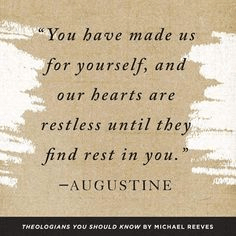
The Gaze of the Soul: Faith and the Breath of God
Augustine once said,
“Reason is the soul’s gaze. But since it does not follow that everyone who gazes sees, a right and perfect gaze, from which vision follows, is called virtue. For virtue is right or perfect reason. But even if the eyes are healthy, the gaze itself cannot turn toward the light unless three things are present: faith, by which it believes that what it gazes on will, when seen, make it happy; hope, by which it expects that it will see, if it has looked well; love, by which it desires to see and enjoy. And then the vision of God follows from this gaze in which results in a blessed life.”
— Soliloquia I.6.13, cited in Kenney, 280
What a profound image: reason as the soul’s gaze, and virtue as right and perfect reason. Yet even this gaze cannot find its aim unless it is guided by faith, hope, and love—those spiritual virtues that awaken our capacity to truly see God. Augustine reminds us that the vision of God—the blessed life—comes from this gaze, rooted in faith, drawn by hope, and fueled by love.
It is faith, then, that connects us to the life-giving breath of the Almighty God. The new life we experience in Christ is not something we earn; it is a gift of grace received by faith. As Paul teaches in Ephesians 2:8:
“For it is by grace you have been saved, through faith—and this is not from yourselves, it is the gift of God.”
You give life, You are love
You bring light to the darkness
You give hope, You restore every heart that is broken
And great are You, Lord
It’s Your breath in our lungs
So we pour out our praise
We pour out our praise
It’s Your breath in our lungs
So we pour out our praise to You only
Indeed, it is God’s breath in our lungs—His Spirit that gives life and renews us. We live because He has breathed into us, just as He did in the beginning with Adam, and just as He continues to do through regeneration.
Regeneration is an act of God’s mercy and grace, made available to all who turn to Him in faith. It is not merely a moment of spiritual awakening, but the beginning of a continual life of dependence on God, through which we bear fruit that glorifies Him.
Jesus illustrated this powerfully when He spoke to the woman at the well. He did not condemn her for her situation. Instead, He invited her into a transformed life, one rooted in worshiping God in Spirit and in Truth. He offered her something far greater than what she sought—a wellspring of life that would never run dry:
“But whoever drinks the water I give them will never thirst. Indeed, the water I give them will become in them a spring of water welling up to eternal life.”
(John 4:14)
This living water is the Holy Spirit, poured into the hearts of those who believe. It is God’s breath, His presence within us, and the source of our praise, our renewal, and our hope.
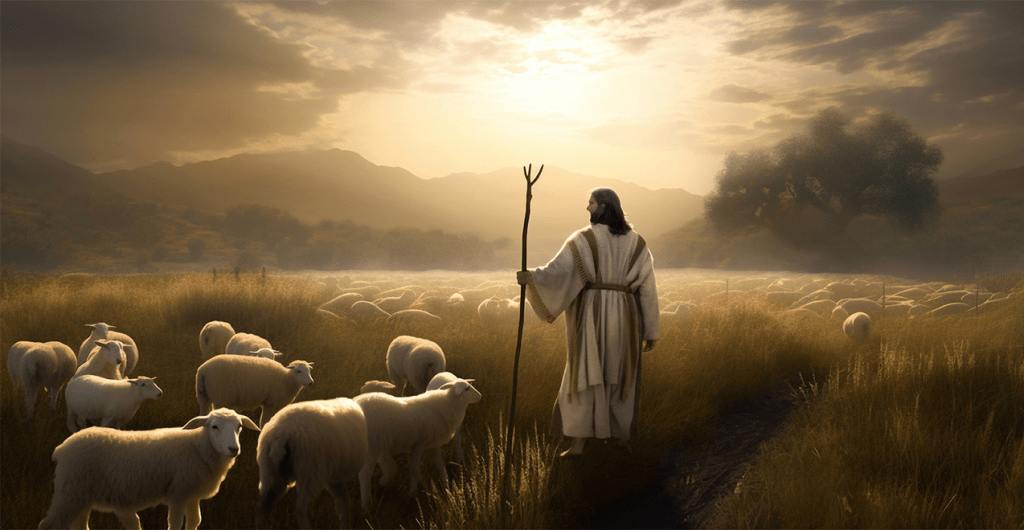
God Steps Into Our Brokenness
The story of the Bible is the story of a God who steps into our world. He comes into our lives, our families, our brokenness, our relationships, our finances, and even our health—bringing His transformative power and redeeming grace for His glory. All of this is made possible through the life-giving work of Jesus Christ, His Son.
“For God so loved the world, that he gave his only begotten Son, that whosoever believeth in him should not perish, but have everlasting life.”
(John 3:16)
Transformation begins when a person receives a revelation from Christ and decides to place their trust and faith in Him. This is not only a personal invitation—it is a universal call. God is looking for a man, a woman, a child—anyone willing to trust in Him. The restoration of our broken world begins with one surrendered heart at a time.
As Paul reminds us:
“For it is God which worketh in you both to will and to do of his good pleasure.”
(Philippians 2:13)
God’s work begins in us, but it does not end there. He works through us, using our lives as instruments of His grace and power to bring healing, justice, and redemption into the world. The transformation of families, communities, and nations flows from hearts that are anchored in relationship with Jesus.
Jesus said to the woman at the well:
“But whosoever drinketh of the water that I shall give him shall never thirst; but the water that I shall give him shall be in him a well of water springing up into everlasting life.”
(John 4:14)
This is His promise to us. The living water is not just for survival—it is for overflow. It becomes a well within us, springing up into eternal life and spilling over into every area of our lives.
So today, we are invited to trust Him. To welcome Him into our mess, our pain, and our need—and to believe that He is not only able to transform us, but also to use us as vessels of transformation in the world.
Tears of Joy and despair.
A coherent study of the events in both the Old and New Testaments helps us to grasp the unified message intended by the Holy Spirit, who inspired the biblical authors to write God’s Word. While the individual writers may not have fully comprehended the grand narrative unfolding through their writings, they faithfully conveyed God’s message to their generation, recognizing that their words carried deeper meaning for future generations as well.
In our world today, the brutal and often senseless events we witness can shake the very foundations of faith. Those who lack a deep understanding of Scripture may begin to question the authenticity of the Bible—or even the existence of God. Common and heartfelt questions arise: If God exists and is truly loving, why does He allow the innocent to suffer? Why doesn’t He step in to stop the evil around us?
These are not new questions. They echo the cries of generations past, voiced by prophets, psalmists, and even Jesus’ disciples. Yet the Bible gives us a framework through which we can engage with these difficult realities—through faith, hope, and the assurance of God’s justice and love.
The Apostle Peter exhorts believers to be prepared to respond to such questions—not with arrogance or defensiveness, but with humility and grace. He writes:
“But in your hearts revere Christ as Lord. Always be prepared to give an answer to everyone who asks you to give the reason for the hope that you have. But do this with gentleness and respect.” (1 Peter 3:15, NIV)
This is a call not just to intellectual readiness but to spiritual and relational sensitivity. As followers of Christ, we must be anchored in the hope we profess and ready to share it, especially with those who are wrestling with pain, doubt, or despair.
The message of Scripture—from Genesis to Revelation—points us to a sovereign God who is both just and merciful, whose ultimate plan is redemption through Christ. Understanding this bigger picture enables us to face the brokenness of the world with courage, compassion, and confident

God: The Benevolent King Who Gathers
From the opening pages of Genesis, we see a glorious image of God as the One who gathers all things into order through His benevolent act of creation. He speaks light into existence, separates the sky from the waters, forms dry land and seas, brings forth vegetation, appoints the sun, moon, and stars, fills the skies with birds and the seas with fish, and places animals upon the land. Finally, He creates human beings—made in His image—as the crown of creation, called to reign under His kingship.
The psalmist echoes this wonder in Psalm 19:1:
“The heavens declare the glory of God; the skies proclaim the work of His hands.”
Indeed, the Bible consistently presents God as the sovereign King of the universe.
Adam and Eve: In and Beyond the Garden
God placed Adam and Eve in the beautiful Garden of Eden, not only to enjoy His presence but also to reflect His glory and participate in His ongoing work. Genesis 2:15 says:
“The Lord God took the man and put him in the Garden of Eden to work it and take care of it.”
However, God’s vision extended beyond the garden. His purpose for humanity was not limited to Eden but encompassed the entire earth. Genesis 1:28 reveals this grand calling:
“God blessed them and said to them, ‘Be fruitful and increase in number; fill the earth and subdue it. Rule over the fish in the sea and the birds in the sky and over every living creature that moves on the ground.’”
Here we see God’s design for humanity to be co-regents, partnering with Him in stewarding creation.
This truth is beautifully affirmed in Psalm 8:4–8:
“What is mankind that you are mindful of them,
human beings that you care for them?
You have made them a little lower than the angels
and crowned them with glory and honor.
You made them rulers over the works of your hands;
you put everything under their feet:
all flocks and herds, and the animals of the wild,
the birds in the sky, and the fish in the sea,
all that swim the paths of the seas.”
God not only created human beings in His image but also shared His glory with them—ordaining them to be kings and priests on the earth. This theme runs like a thread throughout the entire narrative of Scripture: God gathering, calling, and sanctifying individuals and communities for His divine purposes.
Noah, Abraham, and the Patriarchs: Called Out for a Purpose
We see this pattern in the lives of Noah and Abraham. God called them out from their communities to fulfill His redemptive plan. Each was set apart—Noah to preserve creation through the flood, and Abraham to become the father of many nations and the bearer of God’s covenant promises. These callings were not isolated; they were part of God’s ongoing mission to gather and sanctify a people for Himself.
In every generation, God continues to gather, call, and commission people for His glory. His purpose has always been to fill the earth with His presence and to invite humanity to participate in His rule and redemptive work.
Throughout Scripture, we witness a profound and consistent narrative: God gathers a people to Himself, calls them to holiness, scatters them when they stray, and redeems them through His unwavering love. The story of Israel and the mission of Christ illustrate this divine rhythm that still shapes the Church today.
God Gathers a People for Himself: Israel
God raised up the patriarchs—Abraham, Isaac, and Jacob—to build a community that would live in covenant relationship with Him. This community, Israel, was called to be a people who pleased God. When they faltered, God raised prophets to call them back to His will. Even foreign rulers like Cyrus, a Persian king who did not know God personally, were used to fulfill God’s purposes (Isaiah 45:1).
God led Israel into the promised land of Canaan, blessing them with a land flowing with milk and honey. However, when the people began to place their pride in the land, the temple, and their cultural identity—rather than in God Himself—they fell into rebellion and idolatry. The result was exile and desolation. Prophets like Isaiah, Jeremiah, Ezekiel, Daniel, and Nahum were raised to speak God’s truth even in the midst of judgment and scattering.
Nehemiah: Rebuilding and Regathering
Nehemiah is a powerful example of faithful obedience in a time of national despair. Though Israel had returned from exile, their walls were broken, and their identity as God’s people was fragile. Nehemiah saw the need to rebuild not just physical structures, but a faithful community centered around God.
To the Israelites, their identity was closely tied to the land, the temple, and their religious traditions. They believed that being in God’s will meant protecting these sacred institutions. Nehemiah gathered the people to rebuild the walls of Jerusalem and restore worship in the temple. But their righteousness was not found in the land or the temple—it was in God alone.
The Glory Exchanged for Idols
Despite God’s faithfulness, Israel eventually exchanged the glory of the living God for lifeless idols. Paul speaks of this tragic exchange in Romans 1:22–23:
“Although they claimed to be wise, they became fools and exchanged the glory of the immortal God for images made to look like mortal human beings and birds and animals and reptiles.”
The Glory of the New Covenant: Christ
When Jesus entered history, the Jewish world was fractured by sectarianism—Pharisees, Sadducees, Zealots, Essenes—all divided by walls of doctrine and nationalism. Into this brokenness came Christ, the mediator of a new covenant, who came to unite the divided and redeem the fallen.
As Paul declares in Galatians 3:28:
“There is neither Jew nor Greek, slave nor free, male nor female, for you are all one in Christ Jesus.”
And in Ephesians 2:14:
“For He Himself is our peace, who has made the two groups one and has destroyed the barrier, the dividing wall of hostility.”
The Gospel proclaims that through Christ’s death and resurrection, sin and death are defeated. Jesus offers new life, sanctification, and victory to all who believe. In Him, we are made new creations—called not just to receive this good news, but to live it and proclaim it to the world.
“Therefore, if anyone is in Christ, the new creation has come: The old has gone, the new is here!”
(2 Corinthians 5:17–20)
The Church: Gathered and Scattered
The Church today gathers in Christ to worship, learn, and grow, and then scatters into the world as witnesses. Though called to be distinct from the world in devotion and holiness, the Church is not removed from it. We are called to be the fragrance of Christ (2 Corinthians 2:15), the salt of the earth and light of the world (Matthew 5:13–14).
Lament and Joy in God’s Mission
In Matthew 23:37–39, Jesus weeps over Jerusalem:
“O Jerusalem, Jerusalem, the city that kills the prophets and stones those who are sent to it! How often would I have gathered your children together as a hen gathers her brood under her wings, and you were not willing!”
This lament captures God’s longing to gather His people, even when they resist. Yet it also points to the joy of salvation offered in Christ to all who will come.
God’s mission continues today. He gathers us in Christ, sanctifies us through His Spirit, and sends us into the world with a message of reconciliation and hope. In every season—whether we’re rebuilding broken walls or lamenting lostness—God invites us to live as His gathered people, proclaiming His glory and grace to the nations.

Rejoicing in Heaven and Witnessing on Earth
In Luke 15:7, Jesus declares:
“I tell you that in the same way there will be more rejoicing in heaven over one sinner who repents than over ninety-nine righteous persons who do not need to repent.”
What a powerful truth!
This verse reveals the very heart of God—full of grace, eager for reconciliation, and overflowing with joy when even one lost soul returns. Heaven itself erupts in celebration when redemption takes place. If that is what heaven values, how much more should we, as followers of Christ, align our lives with that mission?
If we gather, we gather for the Lord.
If we scatter, we scatter for the Lord.
Whether we are worshipping together in community or going out into the world, we carry the presence of Christ. We are His ambassadors—vessels of His peace, joy, and love in a world that is often marked by lament, loss, and brokenness.
So let us be strengthened by the glorious presence of Christ, and may we boldly and compassionately share His love with those around us. When we do, we participate in the joy of heaven. We become the reason for celebration in God’s kingdom.
Let us go forth—gathered, scattered, and sent—for the glory of God and the salvation of the world.
Amen.
 True-Life.ca